
Top Demolition Debris Hauling Products for Efficient Cleanup
Explore leading tools and equipment designed to streamline debris removal and improve project efficiency.
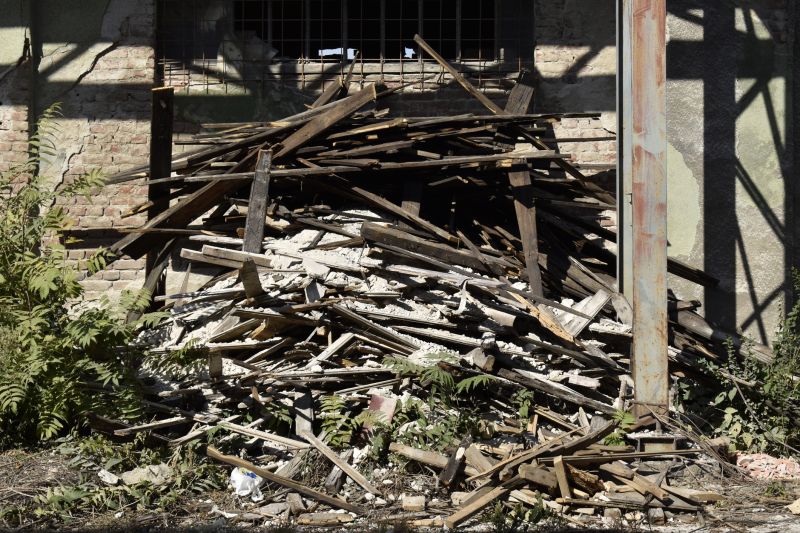 Handling demolition debris requires reliable and versatile equipment to ensure safety and efficiency during cleanup. Various products are designed to facilitate the hauling and disposal of materials such as concrete, wood, drywall, metal, and other construction waste. Choosing the right tools depends on factors like the volume of debris, the type of materials involved, and the specific requirements of the project. Proper equipment can help streamline the process, reduce labor effort, and minimize the risk of accidents or damage to property.
Top Overall Option
Heavy-Duty Debris Container
A robust and versatile debris container designed to handle a wide range of demolition materials. Its durable construction and high-capacity volume make it suitable for various project sizes, providing a reliable solution for debris collection and transport. Easy to load and unload, this container helps streamline cleanup operations while maintaining safety and stability during transport.
Types of Products For Demolition Debris Haulings
Steel Debris Dumpsters
Heavy-duty steel dumpsters designed for large volume debris collection, suitable for construction sites and demolition projects.
Roll-Off Containers
Large, open-top containers that can be rolled on and off trucks, ideal for substantial debris loads.
Wheelbarrows and Carts
Portable and maneuverable options for smaller debris loads, useful for tight spaces.
Compactor Bins
Bins equipped with compacting features to maximize debris capacity and reduce disposal trips.
Dumpster Bags
Heavy-duty bags designed to hold debris, convenient for small-scale or quick cleanup jobs.
Skid-Mounted Debris Containers
Containers mounted on skid frames for easy movement around the site using skid steers.
Hook-Lift Containers
Containers compatible with hook-lift systems for efficient loading and unloading.
Portable Debris Chutes
Chutes that facilitate debris transfer from upper levels to collection containers below.
Hydraulic Lift Bins
Bins with hydraulic lifting mechanisms for easy dumping and disposal.
Compact Utility Trailers
Trailers suitable for hauling debris over short distances on-site or to disposal areas.
Recycling Containers
Specialized containers for sorting and recycling demolition materials like metal and wood.
Dump Trailer Attachments
Trailer attachments that convert standard trailers into debris haulers for versatile use.
Lift-Assist Debris Carts
Carts with assist features to reduce manual lifting effort during debris collection.
Industrial Waste Chutes
Heavy-duty chutes designed for continuous debris transfer in large demolition projects.
Mobile Debris Bins
Bins with wheels or casters for easy movement around the site as needed.
Popular Choices
Widely used for various demolition debris, these dumpsters are available in multiple sizes.
Commonly seen on large projects, these containers facilitate quick debris removal.
Durable bags suited for small debris collection and quick cleanup tasks.
Attachable buckets that allow for efficient debris collection and transport on-site.
Ideal for multi-story demolition projects, these chutes help direct debris safely downward.
Popular for sorting recyclable demolition materials during cleanup.
Efficient containers compatible with hook-lift trucks for quick loading and unloading.
Containers with hydraulic mechanisms for easy dumping, favored in busy demolition sites.
Versatile trailers suitable for short-distance hauling of debris around the site.
Wheeled bins that can be moved easily to different areas of the demolition site.
Heavy-duty chutes used in large-scale demolition for continuous debris transfer.
Small, maneuverable carts suitable for tight spaces and quick debris collection.
Demolition debris hauling products range from heavy-duty containers and dumpsters to specialized carts and transport systems. These products are built to withstand the rigors of heavy and often abrasive materials, ensuring durability over multiple uses. Features such as reinforced sides, high-capacity volumes, and easy loading mechanisms are common considerations to enhance operational efficiency. Additionally, safety features like secure lids or reinforced frames can help prevent spillage during transport.
When selecting debris hauling products, it is important to evaluate compatibility with existing equipment, ease of maneuverability, and compliance with local regulations. Some products are designed for quick deployment and removal, facilitating faster project turnaround times. Proper planning and the right product selection can significantly impact the overall success of a demolition cleanup, making it safer and more manageable for workers and project managers alike.
Investing in quality debris hauling solutions can also contribute to better site organization and cleanup, reducing the time spent on disposal and minimizing potential hazards. Whether for small renovation projects or large-scale demolitions, having the appropriate tools ensures a smoother workflow and helps maintain a safe work environment. Carefully considering the specific needs of each project will help identify the most suitable products for efficient debris management.
Key Buying Considerations
- Capacity: Determine the volume of debris you need to handle to select appropriately sized containers.
- Material Durability: Look for robust materials like steel or reinforced plastics that withstand heavy loads.
- Mobility: Consider whether the product needs wheels, casters, or skid compatibility for easy movement.
- Loading Mechanism: Evaluate ease of loading, such as open tops, lids, or specialized doors.
- Transport Compatibility: Ensure the product fits with your existing trucks, trailers, or lifting systems.
- Regulatory Compliance: Verify that the product meets local disposal and transportation regulations.
- Ease of Disposal: Consider how easily the debris can be emptied or transferred at disposal sites.
- Safety Features: Look for features like secure lids, reinforced edges, or spill prevention mechanisms.
- Versatility: Choose products suitable for different types of debris, including heavy, sharp, or bulky materials.
- Storage Space: Assess available storage space on-site for larger containers or multiple units.
- Cost and Budget: Balance the features and durability with your budget constraints.
- Environmental Conditions: Consider weather resistance if products will be used outdoors.
- Ease of Cleaning: Opt for designs that are simple to clean and maintain after use.
- Project Duration: Match the product's capacity and durability with the length and scale of your project.
- Accessibility: Ensure the product can be operated by your team comfortably and safely.
This content contains affiliate links. We may earn a commission if you make a purchase through these links, which helps support our work without additional cost to you.